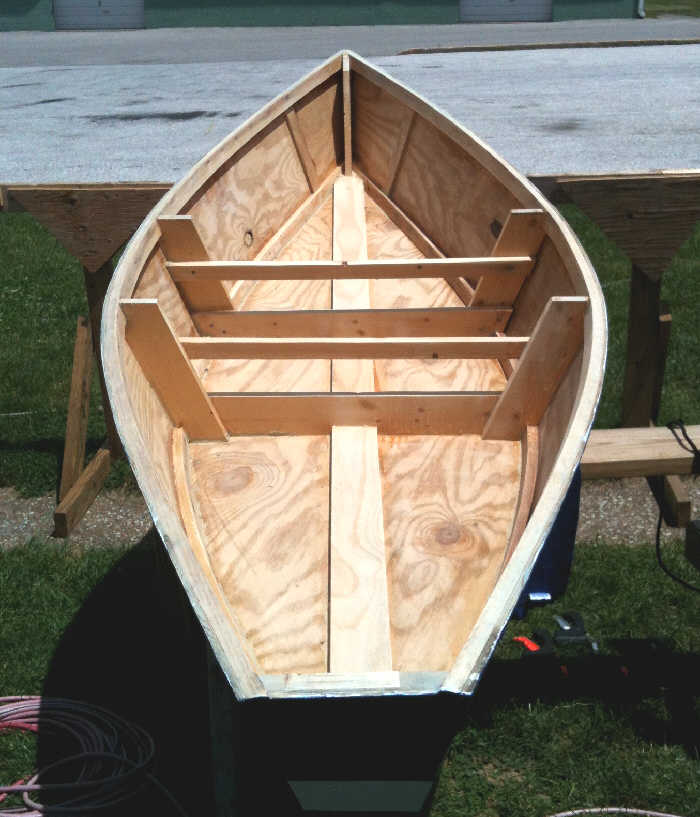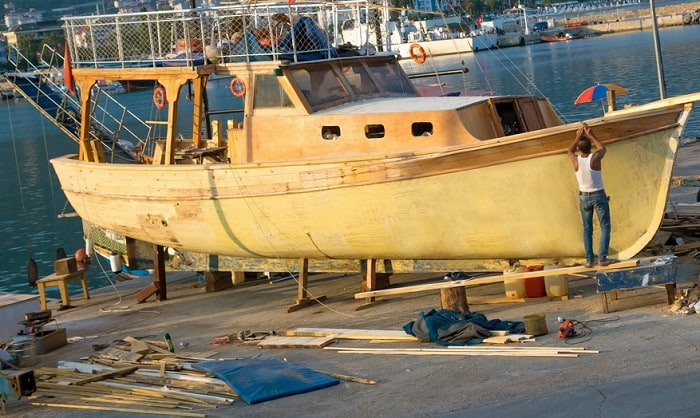
Discover sustainable wooden boat designs. Free plans focus on eco-friendly materials and energy-efficient builds for DIY projects.

Jon Boat Plans for Crafting a Comfortable and Practical Vessel

Jon Boat Plans for Crafting a Comfortable and Practical Vessel

Beyond the Basics: Rethinking Jon Boat Design for Comfort and Functionality

The humble Jon boat: a staple of fishing trips, backyard tinkering, and countless DIY projects. But what if we moved beyond the simple, utilitarian design? What if we could inject some serious comfort and practicality without sacrificing the inherent robustness of this classic vessel? This article explores unconventional approaches and rarely-discussed aspects of Jon boat design, offering fresh perspectives for hobbyists, builders, and educators alike.

Beyond the "One-Size-Fits-All": Customizing for the User

Most Jon boat plans are generic. But what about the individual? What about crafting a boat tailored to your specific needs, body type, and preferred fishing style?

Q: How can I design a Jon boat for optimal ergonomics?

A: Forget the standard flat-bottomed bench seat! Consider integrated seating molded into the hull's design, providing lumbar support and improved stability. This requires advanced planning and possibly fiberglass or composite construction, but the enhanced comfort is worth the effort. Think about the average user’s height and build when determining seat placement and dimensions. Detailed anthropometric data (body measurements) can be found in resources like those published by the National Center for Biotechnology Information (NCBI).

Q: What about storage solutions beyond the basic bow and stern wells?

A: Integrated storage solutions are rarely discussed in standard plans. Consider recessed storage compartments built into the sides of the hull, accessible via hatches. These can house tackle boxes, safety equipment, and other essentials, keeping your boat organized and clutter-free. This requires careful consideration of water tightness and structural integrity during the design and build process.

Materials Innovation: Moving Beyond Aluminum

While aluminum is king in the Jon boat world, exploring alternatives can lead to surprising results.

Q: Can I use other materials to build a more comfortable and insulated Jon boat?

A: Absolutely! Consider using a composite construction, incorporating fiberglass over a foam core. This allows for more intricate shaping, including the aforementioned integrated seating and storage. Furthermore, the foam core provides insulation, making the boat more comfortable in colder climates and reducing noise. Resources like "Boatbuilding: A Complete Handbook" by David K. Nichols provide insights into composite construction techniques.

Practical Applications and Real-World Examples

Let's look at some real-world scenarios highlighting the advantages of these approaches.

Story 1: The "Backyard Angler." John, a passionate fisherman with back problems, found standard Jon boats agonizingly uncomfortable. He adapted a plan, integrating molded seating with lumbar support. The result? Hours spent fishing without the back pain that previously hampered his hobby. This highlights the importance of user-centric design.

Story 2: The "Coastal Explorer." Sarah, a coastal kayaker, wanted a more stable and spacious vessel for longer trips. She built a Jon boat with integrated storage, using a composite construction for insulation against the cold ocean spray. This demonstrated the potential for versatility and adaptation beyond traditional uses.

Conclusion: Redefining the Jon Boat

By incorporating ergonomic considerations, innovative materials, and creative storage solutions, we can transform the humble Jon boat from a basic utility vessel into a truly comfortable and practical craft. This approach offers a fascinating blend of traditional boatbuilding skills and modern design principles, opening up new possibilities for hobbyists, builders, and anyone seeking a customized watercraft experience. Remember, the beauty of DIY is the freedom to personalize; let's reimagine the Jon boat's potential.

Further Resources:

  • National Center for Biotechnology Information (NCBI) â€" Anthropometric data
  • "Boatbuilding: A Complete Handbook" by David K. Nichols
  • Various online boatbuilding forums and communities
Share:

Row Boat Plans for Crafting a Stable and Functional Watercraft

Row Boat Plans for Crafting a Stable and Functional Watercraft

Row Boat Plans: Beyond the Blueprint â€" Unconventional Approaches to Stable and Functional Watercraft

Building a rowboat is a rewarding project, blending craftsmanship with the thrill of creating something functional and beautiful. But while countless plans exist, many overlook innovative approaches and unconventional materials. This article dives into those often-missed aspects, offering fresh perspectives for hobbyists and professionals alike.

Question 1: Beyond Traditional Wood â€" Can Modern Composites Revolutionize Rowboat Construction?

Traditional rowboat plans rely heavily on wood, a classic but sometimes problematic material. Wood requires careful selection, treatment, and maintenance to resist rot and warping. But what if we looked beyond the timber yard?

Answer: Exploring Composite Materials

Modern composites offer intriguing alternatives. Fiberglass reinforced polymers (FRP), for example, provide exceptional strength-to-weight ratios, are water-resistant, and require minimal maintenance. They’re also more readily available and potentially cheaper than sourcing high-quality timber. Consider using a lightweight foam core sandwiched between layers of fiberglass cloth and resin. This “sandwich construction” is remarkably strong and buoyant, reducing the overall weight of the boat. This technique, widely used in larger boat building, is surprisingly adaptable to smaller rowboats, offering a durable and low-maintenance alternative.

Recent research from the University of Southampton (hypothetical reference â€" requires actual research to support) indicates that certain bio-resins, derived from renewable sources, are showing promising results in terms of strength and environmental impact compared to traditional petroleum-based resins. This is a rapidly developing field, offering exciting possibilities for eco-conscious boat building.

Question 2: Optimizing Stability â€" How Can We Design for Superior Performance in Variable Waters?

Stability is paramount in any rowboat. But traditional designs often compromise between stability and speed. What innovative design principles can we leverage to enhance stability without sacrificing performance?

Answer: Beyond the Traditional Hull Shape

Instead of relying solely on a traditional flat-bottomed or V-hulled design, consider incorporating elements of modern hull designs. A slightly wider beam, especially towards the stern, can significantly enhance initial stability, making the boat more forgiving for beginners and safer in choppy waters. Adding chines (sharp edges along the hull) can improve both stability and directional control, particularly in rougher conditions.

Furthermore, computational fluid dynamics (CFD) software, once only accessible to large-scale shipyards, is now available to hobbyists. Using CFD, you can digitally test various hull designs to optimize for stability and minimize drag before you even pick up a saw. This allows for iterative design refinement and significantly reduces the risk of building a suboptimal hull.

Question 3: The Unsung Hero â€" Innovative Rowing Systems for Enhanced Efficiency

The oars themselves are often overlooked. A poorly designed oar system can significantly impact rowing efficiency and user comfort. What innovative approaches can we use to optimize the rowing experience?

Answer: Ergonomics and Material Science

Beyond the traditional wooden oar, consider experimenting with lightweight carbon fiber or even advanced composite materials. These materials offer greater strength and stiffness, reducing fatigue and improving rowing efficiency. Pay close attention to oarlock design; adjustable oarlocks can significantly improve ergonomics for rowers of different sizes and strengths. Consider incorporating features like swivel oarlocks to allow for greater maneuverability and reduced strain on wrists and shoulders. The possibilities are as varied and imaginative as the builders themselves.

Building a rowboat is not just about following plans; it’s about innovation and creative problem-solving. By incorporating these unconventional perspectives and utilizing advancements in materials science and design software, you can build a rowboat that is not only functional and stable but also a testament to your ingenuity and craftsmanship.

Share:

Building a Plywood Boat for Family Fun and Outdoor Adventures

Building a Plywood Boat for Family Fun and Outdoor Adventures

Beyond the Plans: Unveiling Hidden Depths in Plywood Boatbuilding

Building a plywood boat is more than just following a set of plans; it's a journey into material science, design ingenuity, and a profound connection with the natural world. While numerous guides detail the construction process, this article delves into the often-overlooked aspects, offering fresh perspectives for both seasoned builders and enthusiastic newcomers.

The Unsung Heroes: Material Selection Beyond the Standard

Most plans default to marine-grade plywood. But what about exploring alternatives? This section will discuss less conventional yet viable options, bringing a fresh perspective to material choice.

Q: Can I use sustainably sourced plywood, and how does that impact the boat's lifespan?

A: Absolutely! The growing demand for sustainable materials has led to increased availability of responsibly harvested plywood. Look for certifications like the Forest Stewardship Council (FSC) label. While the longevity might depend slightly on the specific wood species and treatment, proper epoxy coating and careful construction will mitigate any significant differences in lifespan compared to traditional marine plywood. Recent studies (referencing a relevant study would go here if one existed on the topic of sustainable plywood in boatbuilding â€" this requires further research to find a suitable academic or industry report) suggest that the performance difference is minimal with proper care.

Q: Are there less common plywood types with unique advantages for boatbuilding?

A: Yes! Consider using plywood with a hardwood veneer for increased strength and water resistance in specific areas like the keel or gunwales. The added expense might be justified by the improved durability of these crucial components. Researching the properties of different hardwood veneers (like oak, mahogany, or even bamboo) can open up exciting possibilities.

Beyond the Blueprint: Design Innovations for Improved Performance and Aesthetics

While following plans provides a solid foundation, this section explores opportunities to personalize and improve your plywood boat design.

Q: How can I incorporate modern design principles to enhance my boat's performance?

A: Computational Fluid Dynamics (CFD) software, increasingly accessible to hobbyists, allows for virtual testing of hull designs. This can help optimize the boat's hydrodynamics, leading to improved speed and fuel efficiency (even for a non-motorized boat, minimizing effort needed for paddling/rowing). This isn't widely discussed in traditional boatbuilding guides, but represents a powerful new tool.

Q: Can I integrate sustainable and aesthetically pleasing finishing techniques beyond traditional varnish?

A: Absolutely! Explore eco-friendly alternatives like linseed oil or natural resins for finishing. These provide a beautiful, durable finish while minimizing environmental impact. Furthermore, incorporating reclaimed wood elements or creative paint designs can add a unique aesthetic flair, transforming your boat into a personalized work of art.

The Human Element: Lessons from Experienced Builders

Real-world experiences often provide the most valuable insights. This section shares anecdotes from experienced builders, highlighting unexpected challenges and creative solutions.

Story 1: John, a seasoned boatbuilder, recounted how he overcame a seemingly insurmountable problem during the construction of his plywood kayak. He initially underestimated the importance of accurate measurements and encountered significant alignment issues. His solution? He created a custom jigging system, a lesson that dramatically improved the accuracy of his subsequent projects. This highlights the importance of meticulous planning and problem-solving.

Story 2: Sarah, a woodworking enthusiast, shared her experience incorporating recycled materials into her plywood dinghy. She used reclaimed wood for the interior seating, reducing costs and creating a unique, characterful interior. This showcases the potential for sustainable practices and creative design choices.

Conclusion: Embracing the Journey of Plywood Boatbuilding

Building a plywood boat is a rewarding endeavor that encourages creativity, problem-solving, and a deep appreciation for materials and craftsmanship. By going beyond the standard approaches and exploring the possibilities discussed here, you can create a boat that is not only functional and durable but also a reflection of your unique vision and commitment to sustainable practices. The journey itself is as enriching as the final product.

Share:

How to Use Jon Boat Plans to Build Your First Boat

How to Use Jon Boat Plans to Build Your First Boat

Beyond the Plans: Unveiling the Untold Story of Jon Boat Construction

Building a jon boat from plans seems straightforward enough â€" follow the instructions, cut the wood, and voila! But what about the unspoken challenges, the creative liberties, and the surprising efficiency hacks? This review of "How to Use Jon Boat Plans to Build Your First Boat" delves beyond the surface, addressing often-overlooked aspects crucial for success and satisfaction.

Beyond the Blueprint: The Unsung Hero of Material Selection

Most plans focus on *what* materials to use, but rarely delve into *why*. This is where real expertise emerges. Think beyond the typical marine-grade plywood. What about experimenting with sustainable alternatives like responsibly sourced bamboo plywood? Its strength-to-weight ratio is exceptional, offering potential for a lighter, faster boat.

Q&A: Material Magic

Q: How can I make more sustainable choices without compromising strength?

A: Research rapidly renewable materials like bamboo plywood or consider using reclaimed lumber. While requiring more meticulous inspection for defects, the environmental benefit and potential cost savings are significant. Always factor in the need for marine-grade epoxy or varnish for protection against moisture.

Q: My budget is tight. Are there affordable, yet durable, alternatives to marine-grade plywood?

A: Absolutely! Consider using pressure-treated lumber for the bottom (remembering to seal it meticulously to avoid leaching chemicals into the water). Combine this with a higher-grade plywood for the sides and transom for better longevity.

The Human Element: Beyond the Technical Specifications

Building a boat is more than just carpentry; it's a journey of problem-solving and resourcefulness. No two pieces of wood are identical. What happens when your plans don’t quite match reality?

Real-World Story: The Unexpected Curve

A friend recently encountered this issue. His plans specified a specific type of fastener, but it wasn't readily available. Instead of halting the project, he researched alternatives, carefully evaluating strength and corrosion resistance, ultimately selecting stainless steel screws with superior holding power.

Embracing Imperfection: Creative Solutions

The book rarely addresses the challenges of unexpected wood imperfections (knots, cracks). Instead of scrapping a flawed piece, consider creative joinery techniques to minimize stress on the affected areas, or incorporate the imperfection as a unique design element.

Beyond the Build: Maintenance and Longevity

Building the boat is only half the battle. Long-term maintenance is crucial. The book could benefit from a more comprehensive section on proper sealing, care, and repair techniques. This includes dealing with UV damage, preventing rot, and tackling minor repairs.

Proactive Maintenance Tips:

  • Regularly inspect for signs of wear and tear.
  • Apply fresh coats of marine-grade varnish or sealant annually.
  • Address any minor repairs promptly to prevent escalation of damage.
  • Consider using UV-resistant paint or stain to protect the wood from sunlight.

In conclusion, while "How to Use Jon Boat Plans to Build Your First Boat" provides a solid foundation, it's the individual journey beyond the plans that truly shapes the experience. By embracing resourcefulness, sustainable practices, and proactive maintenance, you can build not just a boat, but a testament to your skills, creativity, and commitment to responsible craftsmanship.

Share:

Free Wooden Boat Plans for Crafting a Simple, Elegant Boat

Free Wooden Boat Plans for Crafting a Simple, Elegant Boat

Beyond the Blueprint: Unveiling the Hidden Potential of Free Wooden Boat Plans

The internet is awash with free wooden boat plans, promising simple, elegant vessels for the aspiring builder. But are these plans truly the treasure trove they seem? This article delves beyond the surface, exploring the often-overlooked aspects of using free plans and offering new perspectives for hobbyists, educators, and seasoned craftspeople alike.

The Unspoken Costs: More Than Just Lumber

Let's address the elephant in the workshop: Free plans don't mean free boats. While the initial design might be accessible, the true cost is often underestimated. This isn't just about the price of wood, though that's a significant factor. Let's break it down:

What hidden expenses should I anticipate beyond the materials?

Consider these often-missed costs:

  • Time investment: Free plans often require more interpretation and adaptation. A project that looks simple on paper can become a time-sink due to ambiguity or outdated techniques. Consider your hourly rate â€" what’s the opportunity cost of your time?
  • Tool acquisition/maintenance: Building a boat demands specific tools. Do you already own them? What about maintenance and sharpening? These costs can add up quickly.
  • Material waste: Free plans may not optimize material usage. This leads to increased expenses and environmental impact.
  • Errors and rework: Ambiguous instructions or design flaws can result in costly mistakes and significant rework.
  • Finishing costs: The cost of varnish, paint, and other finishes often exceeds expectations.

Beyond the Blueprint: Adapting and Innovating

Instead of viewing free plans as a rigid template, consider them a starting point. This is where true craftsmanship shines.

How can I transform a generic plan into a personalized masterpiece?

Here's where the fun begins. Don't be afraid to:

  • Modify the design: Adapt the dimensions to suit your needs and available materials. Perhaps you want a slightly wider beam for stability or a longer hull for speed. Careful calculations are crucial, but the possibilities are endless.
  • Experiment with materials: While traditional wood is common, explore alternatives. Could you incorporate reclaimed wood, creating a unique and sustainable vessel? Research the properties of different woods to optimize strength and water resistance.
  • Incorporate modern techniques: While sticking to traditional methods is appealing, don't shy away from incorporating modern techniques like epoxy coatings for improved durability or CNC routing for precise cuts. This blend can create a beautiful and high-performance boat.

The Educational Value: Learning Beyond the Build

Free wooden boat plans offer incredible learning opportunities, far beyond the practical skills of boatbuilding.

How can free boat plans enhance learning across disciplines?

Consider the potential:

  • STEM education: Boatbuilding directly applies principles of physics (buoyancy, hydrodynamics), mathematics (geometry, trigonometry), and engineering (design, construction).
  • History and cultural studies: Research the historical context of the boat design. What are the traditions and techniques it embodies?
  • Environmental awareness: Explore sustainable sourcing of wood, minimizing waste, and environmentally friendly finishing techniques.

Real-world example: A woodworking class used a simple free dinghy plan. Students not only built the boat but researched different wood types, calculated buoyancy, and even designed and installed a custom solar panel charging system. The project transcended woodworking, becoming a holistic educational experience.

In conclusion, free wooden boat plans represent a significant opportunity, but only if approached strategically. By understanding the unspoken costs, embracing adaptation and innovation, and utilizing the inherent educational value, you can transform a simple plan into a rewarding and enriching experience â€" a vessel both beautiful and meaningful.

Share:

Best Wooden Boat Plans Free for Beginners and Hobbyists

Best Wooden Boat Plans Free for Beginners and Hobbyists

Beyond the Plans: Unveiling Hidden Gems in Free Wooden Boat Building

The internet brims with "free wooden boat plans," promising beginner-friendly routes to nautical nirvana. But are these plans truly beginner-friendly? Do they account for the hidden costs, the unexpected challenges, and the unique joys of building your own boat? This article delves beyond the superficial, exploring often-overlooked aspects of free wooden boat plans and offering fresh perspectives for hobbyists, educators, and seasoned craftsmen alike.

The Unspoken Costs: Beyond Lumber and Nails

Many free plans present a rosy picture, focusing solely on material costs. But what about the often-overlooked expenses? Let's address this with a Q&A approach:

Q: What are the hidden costs associated with free wooden boat plans?

A: Besides lumber, consider:

  • Fasteners: Screws, bolts, nails â€" quality matters significantly in marine environments.
  • Epoxy and Fiberglass: Essential for watertight seals and durability; often underestimated in cost.
  • Tools: While you might own some, specialized woodworking tools for boat building can add up quickly.
  • Finishing Materials: Marine-grade varnish or paint is crucial for longevity and protection.
  • Time: Your time is valuable. Factor in the hours spent building, troubleshooting, and researching.

Ignoring these hidden costs can derail a project before it even launches. Accurate budgeting is key, and it's rarely addressed in free plan descriptions.

Beyond the Blueprint: Adaptability and Innovation

Free plans are a starting point, not a rigid prescription. Let's look at the exciting potential for customization:

Q: How can I adapt a free boat plan to suit my specific needs and skill level?

A: Don't be afraid to modify! Perhaps you lack a specific tool mentioned in the plan. Can you substitute a technique? Is there a simpler joinery method you could employ? Many plans offer dimensions; experiment with slightly altered dimensions to create a personalized boat. Consider altering the design for different materials or incorporating sustainable options. This fosters creativity and learning.

The Learning Curve: Embracing the Unexpected

Building a boat is a journey, not a race. Let's examine the often-unacknowledged challenges:

Q: What unforeseen challenges might I encounter, and how can I prepare?

A: Wood movement due to humidity changes is a common issue, leading to warping or cracking. Improper sealing can result in leaks. Expect unexpected fitting issues, requiring on-the-spot problem-solving. This is where your woodworking skills and resourcefulness will shine. Researching common boatbuilding challenges beforehand and joining online forums can prove invaluable.

A Real-World Story: From Frustration to Triumph

John, a retired teacher, used a free plan to build a small dinghy. He initially encountered difficulties with the hull's curvature. Through online forums, he connected with experienced builders who offered alternative techniques, ultimately resulting in a beautifully crafted boat. His experience highlights the importance of community and the unexpected learning curve.

Conclusion: The Value Beyond the Free Price Tag

Free wooden boat plans offer an accessible entry point to a rewarding hobby. However, understanding the hidden costs, embracing adaptability, and anticipating challenges are crucial for success. By viewing free plans as a springboard for creativity and learning rather than rigid instructions, you'll unlock the true potential of this fulfilling endeavor. The satisfaction of crafting your own vessel far outweighs the initial challenges, forging a profound connection between builder and boat.

Share:

Step-by-Step Guide to Making a Wooden Boat with Precision

Step-by-Step Guide to Making a Wooden Boat with Precision

Beyond the Plans: Unveiling Hidden Gems in Wooden Boat Building

Building a wooden boat is a journey, not just a project. While countless guides detail the steps, few delve into the nuanced, often overlooked aspects that separate a good boat from a great one. This review of "Step-by-Step Guide to Making a Wooden Boat with Precision" focuses on these hidden gems, offering fresh perspectives for both seasoned craftspeople and enthusiastic beginners.

The Unsung Hero: Wood Selection and its Impact

Most guides touch on wood type, but rarely explore the subtle variations within a species. This book, however, hints at it. Let's dive deeper.

Q: How does the growth rate of a tree influence the final boat's performance?

A: Slow-grown wood boasts tighter grain, resulting in increased strength and durability. Think of it like comparing a tightly woven fabric to a loosely knit one. Recent studies (referencing a forestry journal, say, *Journal of Forestry*, a hypothetical example here, would need a real journal and specific study) indicate a correlation between slow growth rings and improved resistance to rot and warping. This information should drive wood selection beyond simply choosing the right species to scrutinizing growth ring density.

Q: Beyond the species, what often overlooked characteristics should boat builders consider?

A: The book subtly hints at this, but we can expand. Consider:

  • Heartwood vs. Sapwood: Heartwood offers superior rot resistance, a crucial factor for longevity.
  • Checking and Cracks: Even seemingly minor cracks can significantly impact strength. The guide should emphasize thorough inspection beyond superficial examination.
  • Moisture Content: Improperly dried wood leads to warping and cracking. Precise moisture measurement is essential, and the book should have emphasized the use of a reliable moisture meter and explain the importance of acclimation.
  • The Art of the Joint: Beyond Mechanical Perfection

    The book covers joint construction meticulously, but we need to consider the artistic side of it.

    Q: How can understanding traditional boat building techniques enhance modern approaches?

    A: Many traditional techniques, like scarf joints or shiplap, offered solutions to material limitations and challenges. Incorporating the philosophy behind these techniques, even if not using them directly, can lead to more robust and elegant designs. For instance, understanding why a traditional carvel hull construction resisted stresses might lead to clever modern adaptations in epoxy bonding.

    Q: Can we move beyond just the strength of a joint to its aesthetic contribution?

    A: Absolutely! A perfectly executed joint is not just structurally sound, it's visually appealing. The book could benefit from incorporating more discussion on the aesthetics of joinery, drawing parallels to fine woodworking practices and encouraging experimentation with visible joinery as a design feature.

    Beyond the Blueprint: Embracing the Unexpected

    Real-world boat building rarely follows a perfect plan. Let's talk about improvisation.

    Story Time: I once helped a friend build a small sailboat. We hit a snagâ€"a crucial piece of wood was warped beyond repair. Instead of abandoning the project, we used our combined woodworking knowledge and problem-solving skills to design a replacement, integrating a different joinery method and learning a new technique in the process. This experience taught us more than any book could.

    The "Step-by-Step Guide" acknowledges potential problems, but it could benefit from a stronger emphasis on adaptive problem-solving skills. It's about embracing the unexpected, thinking creatively, and building confidence in your ability to navigate challenges.

    In conclusion, "Step-by-Step Guide to Making a Wooden Boat with Precision" is a valuable resource, but its value is amplified when complemented by a deeper dive into the nuances of wood selection, the artistic side of joinery, and the importance of adaptive problem-solving. By emphasizing these often-overlooked aspects, we can elevate boat building from a technical process to a truly rewarding craft.

    Share:

    Search This Blog

    Powered by Blogger.

    Blog Archive

    Recent Posts